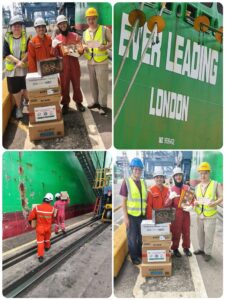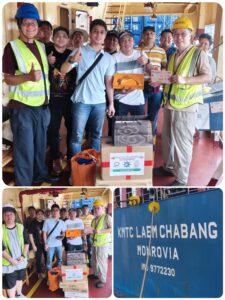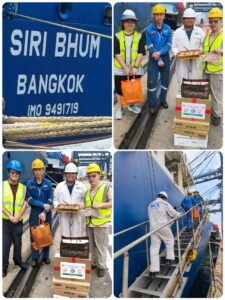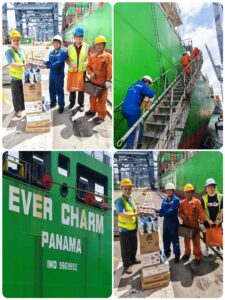

百日战乱:运输工人用生命付出代价逾一百天
100 days of war: 100 days of transport workers paying with their lives

美国和以色列对伊朗发动「史诗怒火行动」至今逾100天。这场战争并非由平民运输工人挑起,也无法由他们结束,但他们却为此付出了惨痛的代价──失去生命、健康和自由。
100 days have passed since the United States of America and Israel launched ‘Operation Epic Fury’ against Iran. One hundred days of a war that civilian transport workers did not start, cannot end and have paid for – with their lives, their health and their freedom.
100天过去,尽管局势一再出现缓和的希望,但战争实质仍然持续甚至加剧──苦难延长,使运输工人重新面临不可接受的风险。
100 days on, despite repeated moments of hope for de-escalation, the war has resumed and intensified – extending the suffering and exposing transport workers to renewed and unacceptable risks.
国际运输工人联盟(ITF)从一开始就明确指出,运输工人并非战士。他们是维持世界运作的普通劳工——海员、飞行员、机组人员、地勤人员、空中交通管制员、卡车司机、港口工人等等。他们与这场冲突没有任何利害关系,也无力制止冲突。然而,他们却日复一日地承受着冲突带来的种种后果。我们绝不会允许世界对他们所遭受的苦难视而不见。
From day one, the ITF has unequivocally said that transport workers are not combatants. They are civilian workers – seafarers, pilots, cabin crew, ground handlers, air traffic controllers, truck drivers, port workers – who keep the world moving. They have no stake in this conflict. They have no power to stop it. But they continue, day after day, to absorb its consequences. And we will not allow the world to look away from what is being done to them.
一场以平民工人为目标的战争A war that targets civilian workers
正值这标记时刻,针对民间运输工人的攻击并未停止。近日,科威特国际机场和巴林国际机场再次遭到攻击,造成无辜平民丧生,并将航空工作人员置于危险之中。在波斯湾,船只持续成为攻击目标。最近在霍尔木兹海峡附近发生的针对民用船只的袭击和胁持事件并非首宗,而是延续了过去一百天以来的模式。平民工人被蓄意置于危险之中,而肇事者对此心知肚明。
As we mark this moment, the attacks on civilian transport workers have not stopped. In recent days, strikes on Kuwait International Airport and Bahrain International Airport have again claimed an innocent civilian life and put aviation workers in the line of fire. In the Persian Gulf, ships continue to be targeted. The most recent wave of attacks and seizures of civilian vessels near the Strait of Hormuz is not a departure from what has come before – it is the continuation of a pattern that has been playing out for one hundred days. Civilian workers are being deliberately placed in danger, and those responsible know exactly what they are doing.
冲突爆发后的最初几个小时,冲突地区的学校、机场和港口遭到攻击,导致数百名平民工作人员伤亡。科威特国际机场、巴林国际机场、杜拜国际机场和扎耶德国际机场均有工作人员受伤。扎耶德国际机场有一人死亡。这些地点并非军事目标,而是民用工作场所。当时,工作人员正在履行职责:办理航班登机手续、引导飞机、装载货物、为乘客服务。航空工作人员像往常一样上班,却突然发现自己身处战区。
In the first hours of this conflict, schools, airports and ports across the conflict region came under attack resulting in hundreds of civilian workers being killed and injured. Workers were injured at Kuwait International Airport, at Bahrain International Airport, at Dubai International Airport, at Zayed International Airport. One person was killed at Zayed. These are not military targets, they are civilian workplaces. The people inside them were doing their jobs: checking in flights, directing aircraft, loading cargo, serving passengers. Aviation workers showed up for work and found themselves in a war zone.
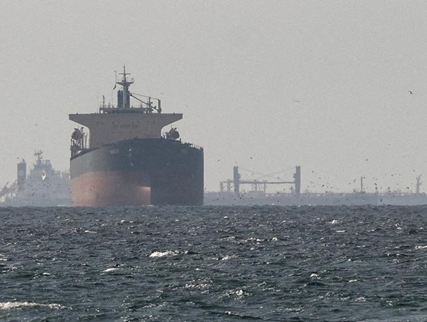
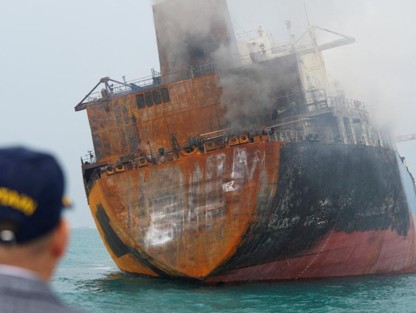
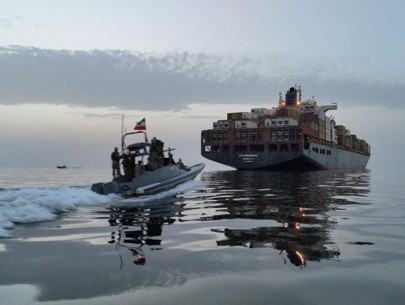
在随后的几天和几周,针对民用船只的袭击愈演愈烈。多艘船舶在霍尔木兹海峡附近及于波斯湾海域遭遇袭击。伊朗和美国扣押了多艘船只。海员被杀,海员受伤,还有海员被劫为人质。
In the days and weeks that followed, the attacks on civilian shipping intensified. Ships were struck near the Strait of Hormuz and across the Persian Gulf. Vessels have been seized by Iran and the United States. Seafarers have been killed. Seafarers have been injured. And seafarers are being held hostage.
除了攻击本身之外,该地区的运输工人——包括运送货物穿越冲突走廊、跨越封闭边界、在中断的路线上行驶的卡车司机——每天都面临着战争经济的现实:危险、恶劣的生活条件,而且在许多情况下,根本没有任何保护。
And beyond the attacks themselves, transport workers across the region – including trucks drivers carrying goods through conflict corridors, crossing closed borders, navigating disrupted routes –have faced the daily reality of a war economy: danger, impossible conditions, and in too many cases, no protection at all.
The human cost 人道代价
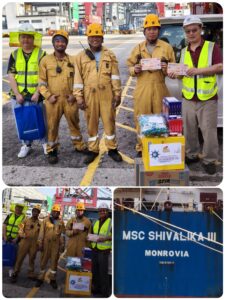
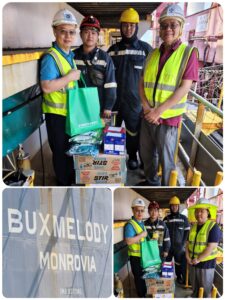
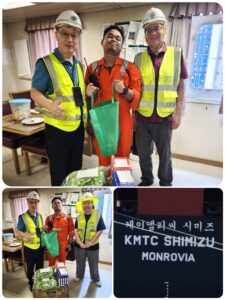
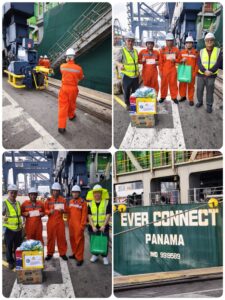
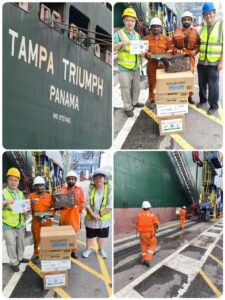
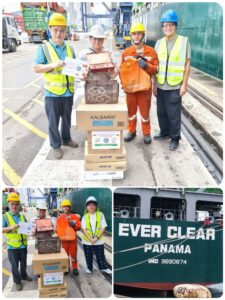
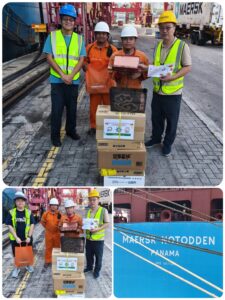
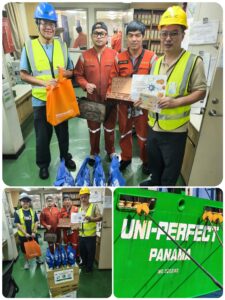
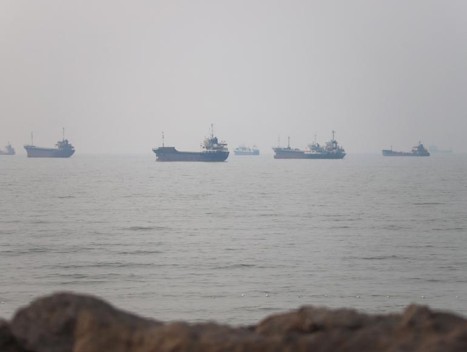
超过两万名海员仍滞留在波斯湾。这些海员绝大多数来自全球南方国家,远离家人,不知何时才能回家。在某些情况下,他们的燃料、食水和食物都已近耗尽。他们目睹头顶上空的飞弹、无人机横飞,即使能够入睡,也深知自己身处战区。自战争爆发以来, ITF已收到海员及其家属超过2500宗援助请求,并已协助600多名海员返回家乡。
More than 20,000 seafarers remain stranded in the Persian Gulf. These seafarers are overwhelmingly from the Global South, far from their families, with no certainty about when they will see home again. In some cases, they are running low on fuel, water and food. They watch missiles and drones in the skies above them, they sleep, if they’re able to, knowing they are in a warzone. Since the war began, the ITF has received over 2,500 requests for assistance from seafarers and their families and assisted more than 600 seafarers to get home.
这场战争对劳工心理健康造成的摧残极为深远,却长期被国际社会所忽视。持续的恐惧、孤立无援的绝望、前途未卜的焦虑,以及与至亲长期分离的痛苦——这些绝非抽象的形容词,而是真切且深刻的心理创伤。对于许多身陷战火的前线工人而言,这些阴霾恐怕将伴随他们一生。部分雇主非但没有提供支援,反而落井下石,试图利用战争作为掩饰:他们滥用不可抗力条款,未经劳工同意便强行延长雇佣合约;更有什者,限制或切断船员与外界的通讯,并无理拒绝履行船员遣返的义务。
The mental health consequences are profound, and they are not being adequately acknowledged. Sustained fear. Isolation. Uncertainty. Separation from family. These are not abstract harms – they are serious, documented psychological injuries that will outlast this conflict for many of the workers caught in it. Some employers have made this worse, seeking to use the war as cover: invoking force majeure to extend contracts without consent, restricting or cutting communications, denying repatriation.
战争绝不能成为雇主剥夺海员权利的空白支票。 《海事劳工公约》(MLC)的核心价值,正是为了防止此类滥权行为发生。全面且立即执行该公约——而非等到冲突对自身有利时才权宜行事——是绝不容妥协的底线。船员换班必须如期进行、合约必须切实履行,且该地区的每一位海员,都必须拥有与家人不受限制地保持联系的权利。关于建立人道主义海上走廊以恢复霍尔木兹海峡航运的提议,正日益受到国际关注。 ITF 完全理解此事的迫切性,但我们的立场始终坚定不移:任何海上走廊的运作,都必须以冲突各方「全面、具约束力且经核实」的保证为绝对前提,确保所有参与船舶及其船员绝不会成为军事攻击的目标。
War must not be a blank cheque for employers to strip seafarers of their rights. The Maritime Labour Convention (MLC) exists precisely to prevent this. Full implementation – now, not when the conflict is convenient – is non-negotiable. Crew changes must happen. Contracts must be honoured. Every seafarer in this region must be able to contact their family without restriction. Proposals for a humanitarian maritime corridor to restore flows through the Strait of Hormuz have attracted growing attention. The ITF understands the urgency, but we are unequivocal on one point: any such corridor can only operate if there is a full, binding, verified guarantee from every party to this conflict that participating vessels and their crews will not be targeted.
自始至终,民航业的前线员工都承受着难以想像的沉重负担。在袭击阴霾的威胁下,他们依然坚守岗位,竭力维持机场运作、执行紧急撤侨航班,并全力应对因空域关闭、航班改道及运营不确定性所带来的连锁冲击。这场危机的连锁效应已波及全球:机组人员正面临更长的航程与超负荷的执勤时间;地勤人员与空中交通管制员则必须在极度混乱的营运环境中疲于奔命。这是一场全球航空业劳工正在共同承受的集体冲击。 ITF从一开始便严正声明,民用航空基础设施绝不能成为军事目标。遗憾的是,这一条国际公认的底线已被无情践踏。而科威特国际机场与巴林国际机场的同侪,不幸成为了最新一批为此付出惨痛代价的受害者。
Civil aviation workers have been carrying an impossible burden since day one. They kept airports operating under the threat of attack. They ran evacuation flights. They managed the cascading disruption of closed airspace, rerouted flights and maximum operational uncertainty. The knock-on effects extend worldwide: flight crews facing longer routes and extended duty times, ground staff and air traffic controllers managing complex operational chaos. This is a global aviation workforce absorbing a global shock. The ITF said from the outset that civilian aviation infrastructure and must never be military targets. That principle has been violated. Workers at Kuwait International Airport and Bahrain International Airport are the latest to pay the ultimate price.
ITF这100天的诉求
The ITF’s demands 100 days in
过去这一百天里,运输工人日夜面临着死亡、受伤、非法拘留、精神创伤与被迫滞留的血腥威胁。然而,即便身处险境,他们依然坚守岗位,默默运送着全球赖以生存的旅客、物资与生命必需品。
For one hundred days transport workers have been killed, injured, detained, traumatised and stranded while continuing to carry passengers, cargo and essential goods on which the world depends.
我们的诉求依然不变:
Our demands remain unchanged:
• 各方立即永久停火并全面缓和局势。
An immediate, permanent ceasefire and full de-escalation by all parties.
• 根据国际法,对平民运输工人及民用基础设施提供全面、无条件的保护
Full and unconditional protection of civilian transport workers and civilian infrastructure under international law
• 立即釋放所有被扣押的海員和船舶。
The immediate release of all detained seafarers and vessels.
• 全面落实《海事劳工公约》的各项保护措施,包括船员换班、工资支付、不受限制的通信和遣返。
Full implementation of Maritime Labour Convention protections, including crew changes, wage payments, unrestricted communications and repatriation.
• 停止滥用不可抗力条款来损害工人权利。
An end of the misuse of force majeure to undermine workers’ rights.
• 为所有受冲突影响的交通运输从业人员提供有意义的心理健康支援。
Meaningful mental health support for all transport workers affected by this conflict.
• 任何人道海上走廊的建立都必须有充分、可核实、具有约束力的安全保证。
Any humanitarian maritime corridor to be enacted only with full, verified, binding safety guarantees.
• 在联合国领导下,紧急进行外交努力,以国际法和联合国宪章为基础,实现公正持久的和平。
Urgent diplomatic engagement under United Nations leadership toward a just and durable peace, grounded in international law and the UN Charter.
100天来,各国政府发表声明,军队交火,政治领袖捍卫各自的立场。
For 100 days, governments have issued statements, militaries have exchanged fire, and political leaders have defended their positions.
但运输工人付出了代价。
Transport workers have carried the cost.
ITF代表全球超过1650万名运输工人,我们的讯息很明确:运输工人绝不是消耗品!他们不是附带损害!他们不是谈判筹码!他们不是战争工具!结束这场战争,保护平民运输工人,让滞留和被拘留的运输工人回家。
The ITF represents more than 16.5 million transport workers worldwide and our message is clear: Transport workers are not expendable. They are not collateral damage. They are not bargaining chips. They are not instruments of war. End this war, protect civilian transport workers, and bring stranded and detained transport workers home.
在此之前,ITF将继续发声、组织活动并为每位身陷这场冲突阴霾下的运输工人而战。
Until that happens, the ITF will continue to speak out, organise and fight for every transport worker trapped in the shadow of this conflict.
Resource from:https://www.itfseafarers.org/en/news/100-days-war-100-days-transport-workers-paying-their-lives


正式就假工会问题.jpg)
正式就假工会问题-300x226.jpg)